Faster PLC work.Tested first.
I'm a mechatronics technician with 12 years on automated lines. AI helps me read, write and document PLC code faster, and every program runs against a simulated machine before it gets anywhere near yours.
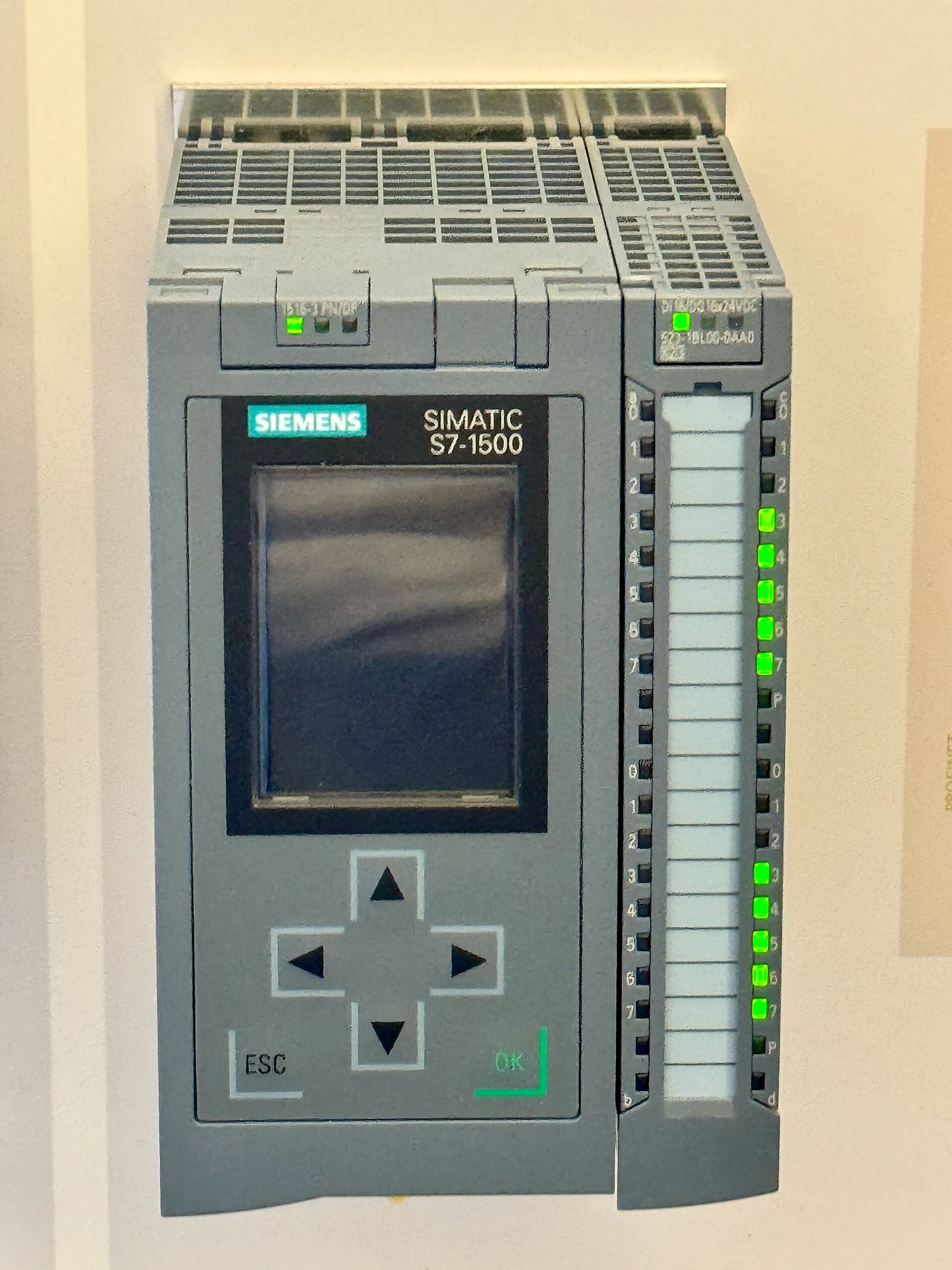
A simulated palletizer cell. Every program gets a run like this before your crew downloads it.
Integrators: behind on controls work?
Send a defined piece of the job. It comes back in your standards, under your name.
Extra controls capacity →Plants: no controls person on staff?
When the fault lives in the PLC, I work it with your tech over the remote access you already have.
When the line stops →-A1Extra hands on the controls package
You won the job, the schedule is set, and your controls people are already on three other projects. Hand me a defined piece: a machine, a line section, a set of HMI screens, or a code review before it ships.
Send a packageYour standards
Send your templates, naming rules and block library. The code comes back looking like your team wrote it, and your engineer reviews it like their own.
Faster, same bar
AI drafts and cross-checks the code. I go through every rung and every block myself before you see a line of it.
Your name on it
I work as part of your team. Your customer deals with you, and the relationship stays yours.
Proved at a desk
Sequences, interlocks and fault paths run against a simulated machine first, so site days go to the problems you can only find in the field.
One fixed quote
You know what the controls piece costs before it starts, and the margin stays where you bid it.
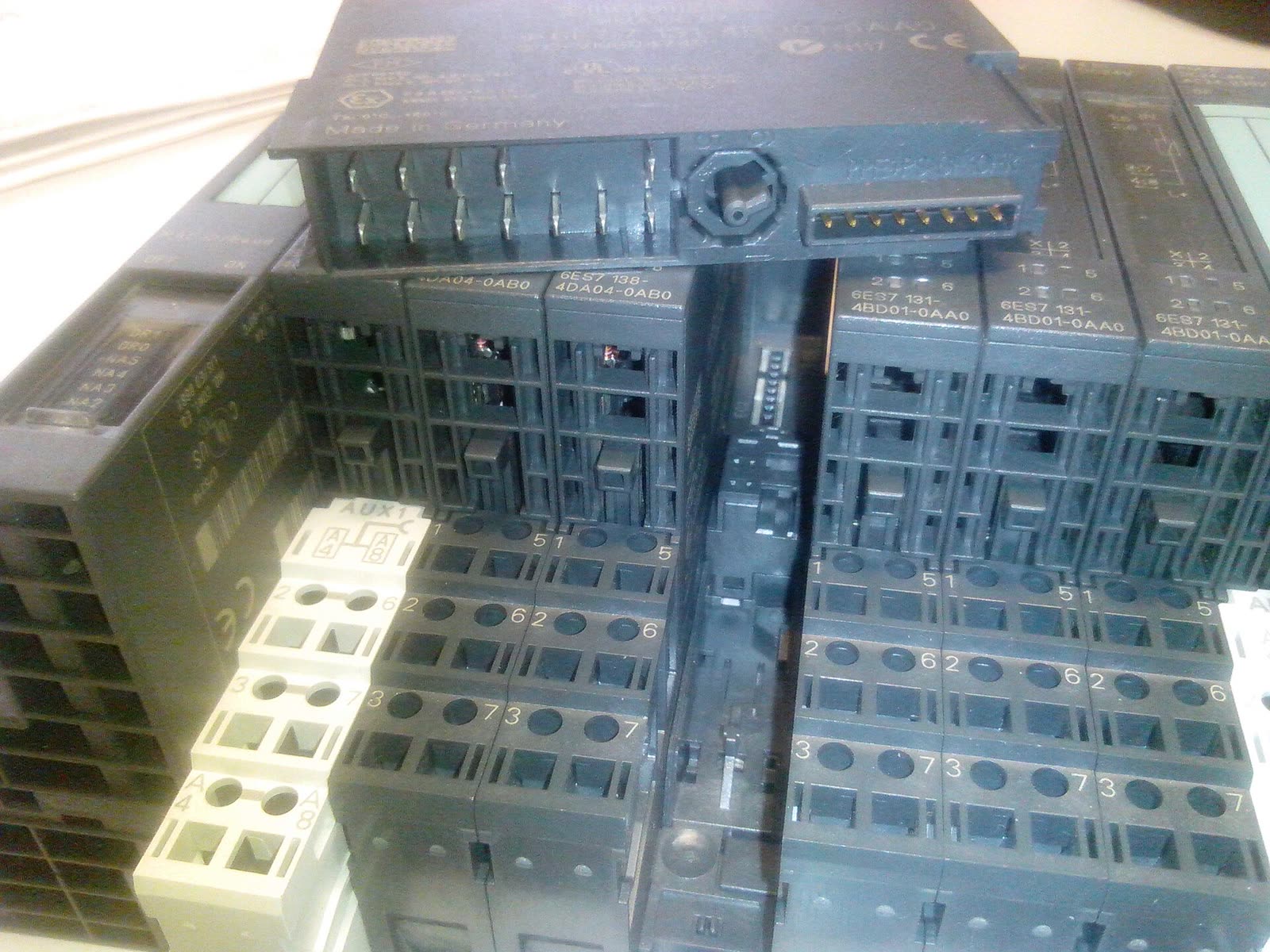
Programs written for the tech who has to keep the machine running at the end of the job.
-A2When the PLC stops the line
Your maintenance crew can fix almost anything with a wrench. When the fault is buried in a program nobody on site wrote, waiting weeks for an integrator costs more than the fix. I connect over your remote access, your tech stays at the machine, and we work it together.
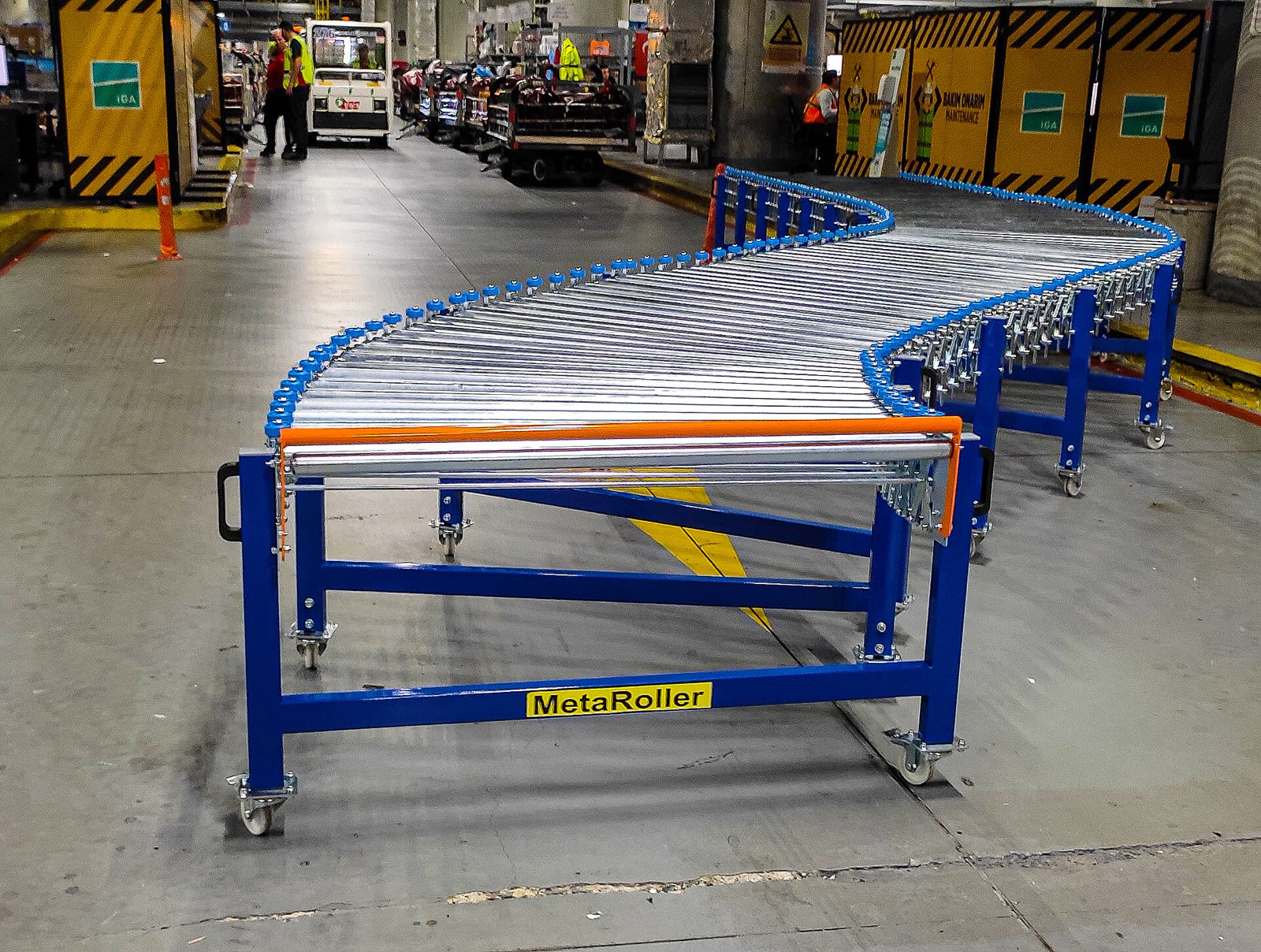
One fault, one session
A scheduled remote session with your tech at the panel. AI helps me get through fault history, trends and old code fast, and you get the cause and the fix in writing.
The program nobody understands
AI gets through it quickly. I check what it says against your drawings and I/O list, then hand your techs a guide in everyday words to what the machine is supposed to do.
Hardware you can't buy anymore
Upgrade plans for S7-300/400, SLC 500 and other obsolete PLCs, with cost and downtime laid out before anything gets ordered.
Alarms that point at the problem
An alarm list your operators can act on, written for the person standing at the machine.
Every session ends with your crew knowing what failed and where to look next time.
-K1Four contacts in series
Nothing reaches your machine until all four close. AI makes the first contact fast. The other three are on me.
AI draft
AI writes the first pass of code, documentation or a review from your spec, standards and drawings.
Tech review
I read every rung and every block against the machine and the sequence, and fix what AI got wrong.
Sim test
The program runs against a simulated machine: sequences, interlocks, fault paths. You get the test report.
Your OK
Nothing goes to a real machine, and nothing changes on a running line, until you sign off.
-K2Put AI to work on your own controls
Your engineers and techs can use AI on controls work today. It saves real hours on documentation and review, and it also gets PLC logic wrong with total confidence. I show your team where it helps and how to catch it.
Ask about a sessionRead and explain old code
Get a section-by-section explanation of a program, then check it against the machine before anyone trusts it.
Review before it ships
Prompts and checklists that use AI as a second set of eyes on logic, interlocks, alarms and naming.
Where AI gets controls wrong
The mistakes it makes on PLC work, with real examples, so your people know what to double-check.
A working session with your team
Remote, on your own programs and platforms, so the habits stick after the call ends.
-X1What buyers ask first
Will you work under our company name?
Yes. On integrator jobs your customer deals with you.
Do you sign an NDA?
Yes, before any files or access change hands.
Who owns the code?
You do, along with every file and document from the job.
How do you work on a machine you can't drive to?
Over the remote access your site already has (VPN, Secomea, eWON, TeamViewer), or from program files and photos. Your people stay at the machine, and nothing changes on a running line without your OK.
Does my code go into AI tools?
Only with your OK. Before any files change hands we agree which tools, if any, can see them, and nothing goes into a tool that trains on customer data.
Which platforms?
Siemens TIA Portal and STEP 7 Classic, Allen-Bradley Studio 5000 and RSLogix 500, and Ignition SCADA.
-S1Start with one small job
A fixed price for a defined job. You see how the work comes back before you hand me anything bigger.
Troubleshooting session
One fault, a scheduled remote session with your tech at the panel, and the cause and fix in writing.
Get a quoteCode review
One program checked end to end: logic, interlocks, alarms, naming and fault handling. Issues ranked by risk, with the fix for each.
Get a quoteProgram documentation
One program explained in everyday words for your crew: what each section does, the I/O, the sequences, the interlocks, and the parts that are dead or risky.
Get a quote-P1Mark Splawn
Mechatronics technician. Twelve years on automated lines: robot cells, conveyors, drives, pneumatics, sensors and the PLCs that run them. I build AI workflows for controls work and teach them to techs, and every program still gets written for the person who has to keep it running.

-W1Tell me what's stuck
The machine, the PLC platform, what you need and when. You'll get next steps and a quote by email. You can also write to marksplawn@spartanmechatronics.com.